







Small Alpkit Foundation grants cover the kit, campsite fees and staff training that let disadvantaged pupils take part in the Duke of Edinburgh Award.
The Duke of Edinburgh's Award is meant to be open to anyone. In practice, it has a price tag: walking boots, waterproofs, a tent that's actually waterproof, campsite fees, assessor costs, and staff who are qualified to lead an expedition in the first place. None of that is covered by a school's core budget, and none of it is optional. Schools serving pupils who can least afford those costs are often the ones left running the award on empty, or not running it at all.
Small grants from the Alpkit Foundation have gone toward closing exactly that gap, school by school.
The kit that stays behind
At The Astley Cooper School in Hemel Hempstead, growing interest in DofE ran up against a simple problem: some pupils' families couldn't stretch to walking boots or waterproofs. A grant bought a set of both, kept by the school and reused every year since. "We have found it difficult to involve some students whose parents are concerned about the monetary cost of funding the expeditions, and also who would struggle to get suitable equipment," says Michael. Woodchurch High School, where more than 40% of pupils are on Pupil Premium, had the same problem with sleeping bags and rucksacks. "Many of these pupils have never been to Wales, climbed a hill or walked a footpath," says Sarah. "But by the end of the weekend they are all changed. Weeks later, back in school, you can still see that change in them."

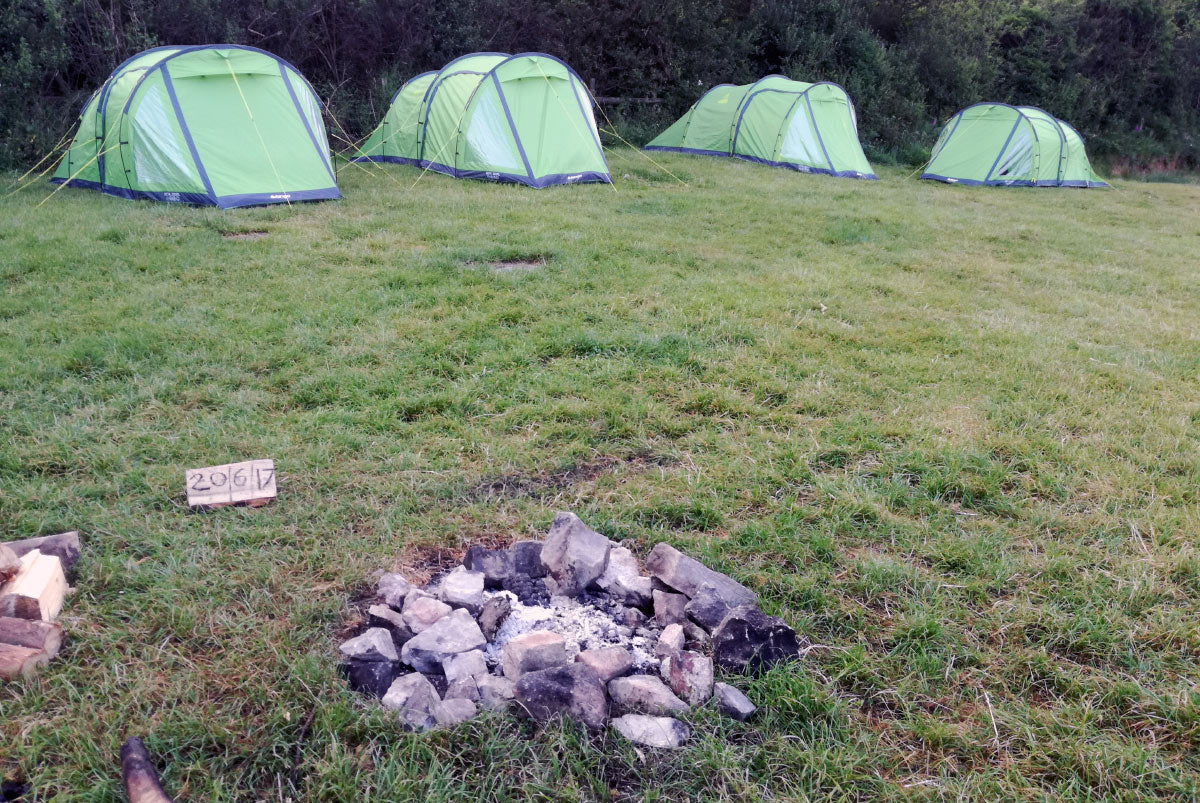
Westhaven School put its grant towards new tents for pupils with special educational needs working towards Bronze. Of the group taking part, half had never had a campfire, four had never camped, and eight had never been on a long walk before. All thirteen completed the award. "It gives pupils an opportunity to gain a recognised award that they may not have the opportunity to achieve later in life, broadening their learning opportunities," says John, the project lead.
The cost of getting there
Kit is one barrier. Simply getting to a campsite and staying on it is another. A grant to Clifton Community School went straight to overnight camping costs for its DofE students' expedition.

At St Johns School, five pupils were previously shut out of Bronze DofE altogether: the school's model asked every participant to cover their own costs, and these families couldn't. A grant covered campsite fees, kit, assessor fees and expedition food instead. "We know from experience that working outdoors can bring significant benefits to the emotional well-being of our students, and we want to ensure that these opportunities are accessible to everyone, irrespective of their background or financial circumstances," says John.
Netherhall School in Maryport sits ten miles from the Lake District, in a borough with one of the highest obesity rates in the UK and no shortage of deprivation despite the view. A grant for climbing gear and a canoe trailer let the school open DofE up to more pupils than its existing kit and qualified staff could support. "Available equipment and qualifications of my colleagues is holding us back," says Richard. "I want to be able to get more students out climbing, canoeing and walking."
Building the capacity to run it at all
Sometimes the barrier isn't kit or campsites, it's whether a school can run an expedition at all. Cockshut Hill Technology College in Birmingham used a grant to put staff through Basic Expedition Leader training, so the school no longer has to pay an external provider every time Bronze DofE runs. "The DofE gives young people the chance to do something completely new, and improve on things they're already doing," says Tom. "It takes them out of their comfort zone and into a place where they'll push themselves and have amazing new experiences."

President Kennedy School in Coventry had a newly formed DofE group and no funds for external training. A grant covered First Aid training for five staff, the qualification that let the group grow safely rather than stay capped by how many trained adults were available. "As a new group, we are having to start from scratch, and many of our participants are from a disadvantaged background," says Richard.
The same logic scales up across whole regions. In Glasgow, Alan runs DofE across eight schools and youth groups in some of the city's most deprived neighbourhoods, all sharing one central pool of expedition kit rather than each group trying to buy its own. "The communities I am working in have very limited funds," he says, "and help from The Foundation will be transformative."

The Alpkit Foundation supports schools removing the cost barriers that keep pupils out of the Duke of Edinburgh's Award. If you run a project doing this kind of work, find out how to apply.