







What makes a great gravel race bike? Jake finds out riding the Sonder Sedona on the Aethelred Ultra, a 600km race through Dorset, Wiltshire and New Forest.
Choosing a bike for a 600km gravel ultra is less about chasing marginal gains and more about reducing the number of decisions you’ll need to make when everything else starts to fall apart. Over that kind of distance, across mixed terrain and changing states of fatigue, the fastest setup is rarely the lightest or the most aggressive, it’s the one that stays predictable when you’re riding in survival mode.
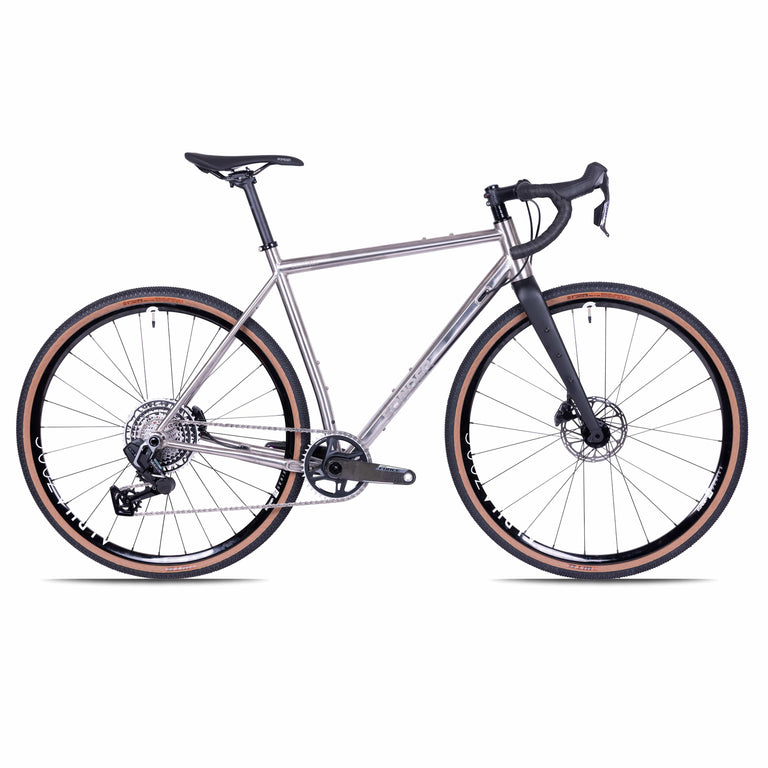
For Aethelred, I wanted something that still felt like a true gravel race bike — efficient on long road links, quick to respond when the pace lifted, but composed enough to carry load and absorb the inevitable deterioration in judgement that comes after 20 hours in the saddle. The Sonder Sedona Ti sits in that space: a platform built around speed and efficiency, but with enough stability to keep working when the race stops being clean.

Setting the bike up for the distance meant a few deliberate choices. I dropped the stem to its lowest position, which pushed the fit into something closer to a road race setup than a typical gravel tourer, and it worked well with the Sedona’s longer reach and naturally aggressive geometry. After a few long training rides that position stopped feeling compromised and started feeling correct: stretched, stable, committed to forward motion rather than hedging against it.
The start was calm enough — until it wasn’t. Within 3km I had a strap caught in the wheel and a puncture that immediately dropped me to the back of the field. It was a blunt reminder that ultras rarely go as planned.
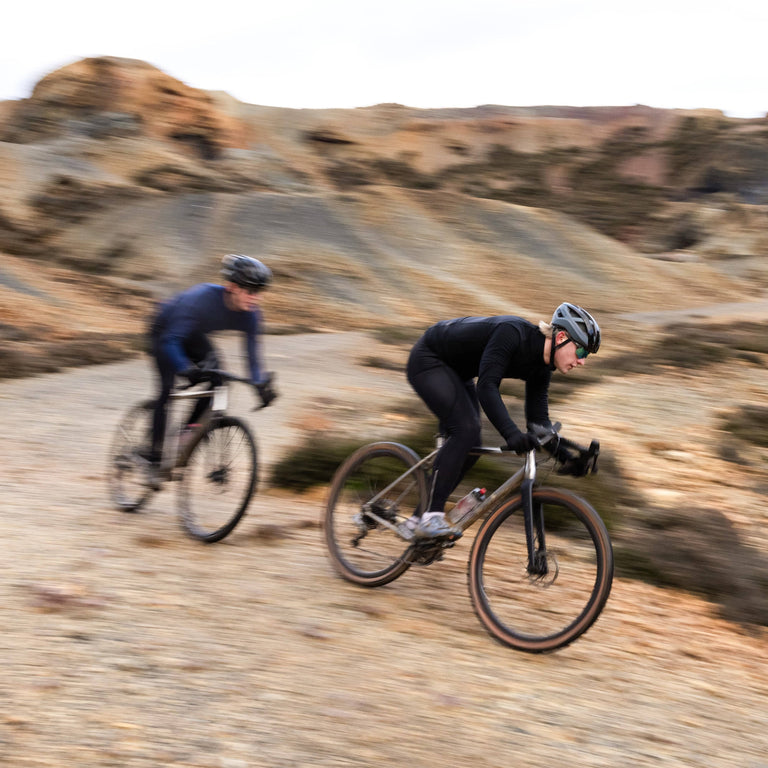
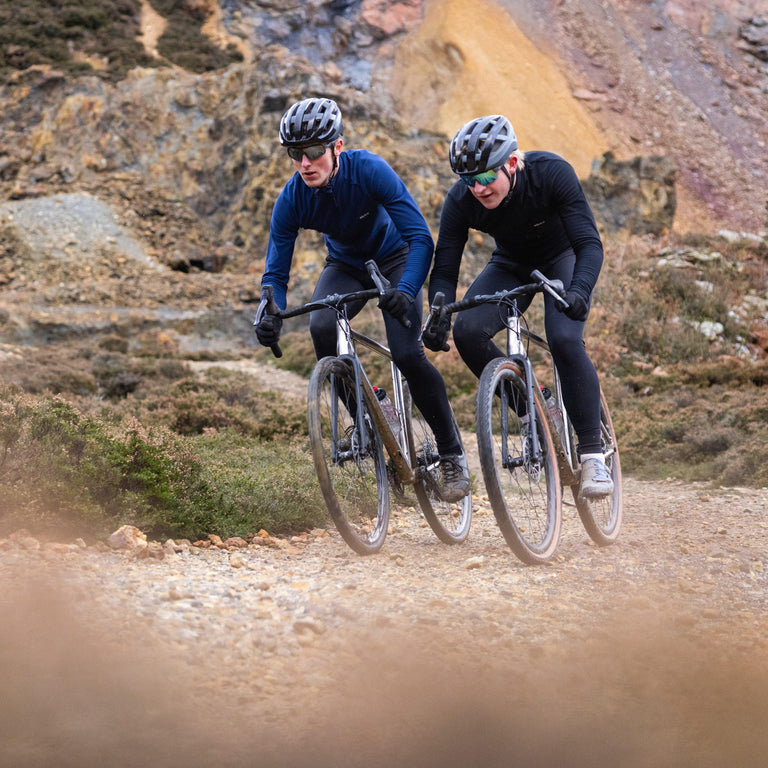
The first hours became a long, reactive chase across open Dorset gravel, riding at threshold to reconnect with the front group. Even in those early blitzes, the bike felt direct without being twitchy, able to respond quickly when gaps opened, but not demanding constant correction when the surface changed under pressure.
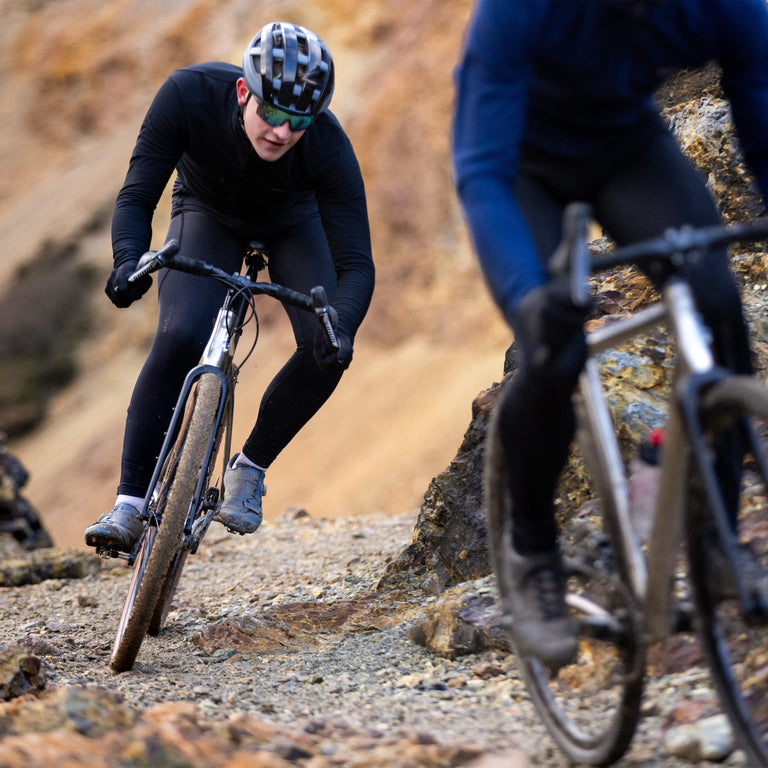
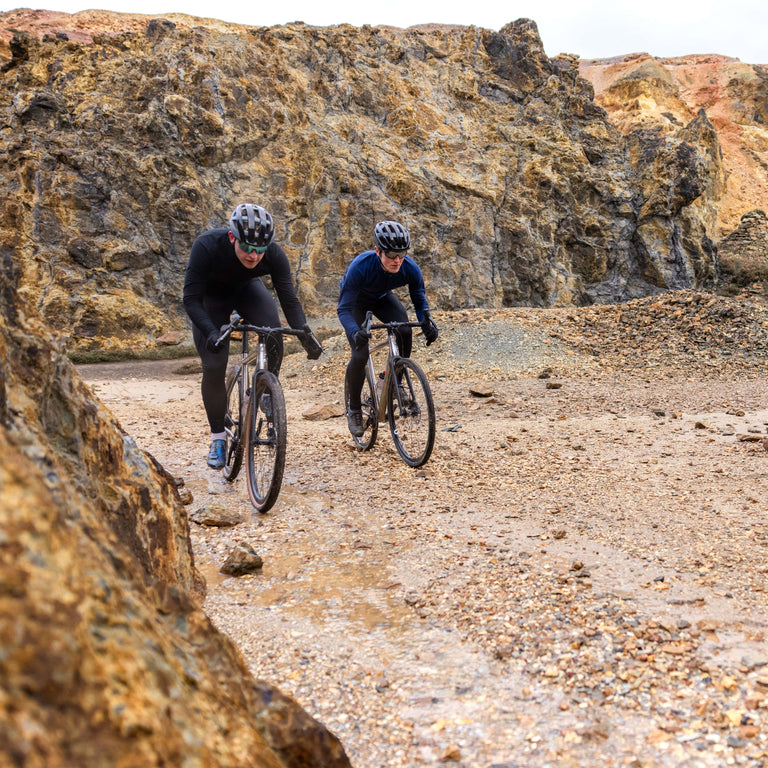
Heat built early, and so did the logistical problem of carrying enough fluid to stay ahead of it. The Sedona's mounting points earned their keep here. Running a full complement of bottles alongside feed bags, the weight sat low and distributed, and the rear end stayed composed over fast, broken ground, the kind of terrain where instability usually shows up not in obvious ways, but as a quiet tax on your energy over time.
Shortly after the first checkpoint I minced the rear tyre again, requiring a triple-plug fix. Between mechanicals and losing a bottle, my elapsed time was taking a beating.
I reached HQ at 11pm for a brief reset, 30 minutes that disappeared into a blur of kit changes, calories, and caffeine, before heading back into the night. This was where the Sedona’s character became more apparent. It’s a fast bike first and foremost, built for covering ground efficiently, but in the dark, under fatigue, that speed only matters if the bike doesn’t ask anything extra of you. Through the New Forest sections, where the route knowledge became more valuable than raw output, it simply tracked straight and stayed predictable when my concentration dipped.
Across the longer road links, the aero extensions became a way of lowering the cost of simply being in motion. At that point in the race, efficiency wasn’t about going faster, it was about spending less to maintain the same pace.
By 7am, I’d spent 21 hours in the saddle and the brutal Wiltshire terrain caught up to me. After getting dropped by another rider, I rallied on a Coca-Cola/Lucozade combo and a desperate 10-minute dirt nap.
As fatigue deepened, the bike’s behaviour mattered less in terms of outright speed and more in how little it interfered. The less I had to think about line choice corrections or stability under load, the more I could focus on staying upright and keeping pressure through the pedals.
By the final third, brake pads were effectively gone, which changed the rhythm of every descent. Commitment replaced modulation. Even then, the Sedona stayed composed when entering rough exits and uneven braking zones, the kind of sections where a nervous setup forces hesitation, and hesitation costs time.

The final push across Salisbury Plain was a straightforward equation: empty what was left, and close whatever gap remained. Aero tucked, power steady, no real thought beyond forward motion. I reached the final corner and rolled into 4th, with family waiting at the finish.
One thing that caught me off guard: despite being titanium rather than carbon, the bike never felt like it was leaving time on the table. Fast on the road links, smooth on rough ground, and never once asking for more than I had left to give.
More on the Sedona: the design story behind the bike, and how it compares to a gravel explorer. For UK events of this type, the 2026 bikepacking race calendar covers the season. Or browse the full Sonder gravel range.
31 hours. Full shutdown immediately after.
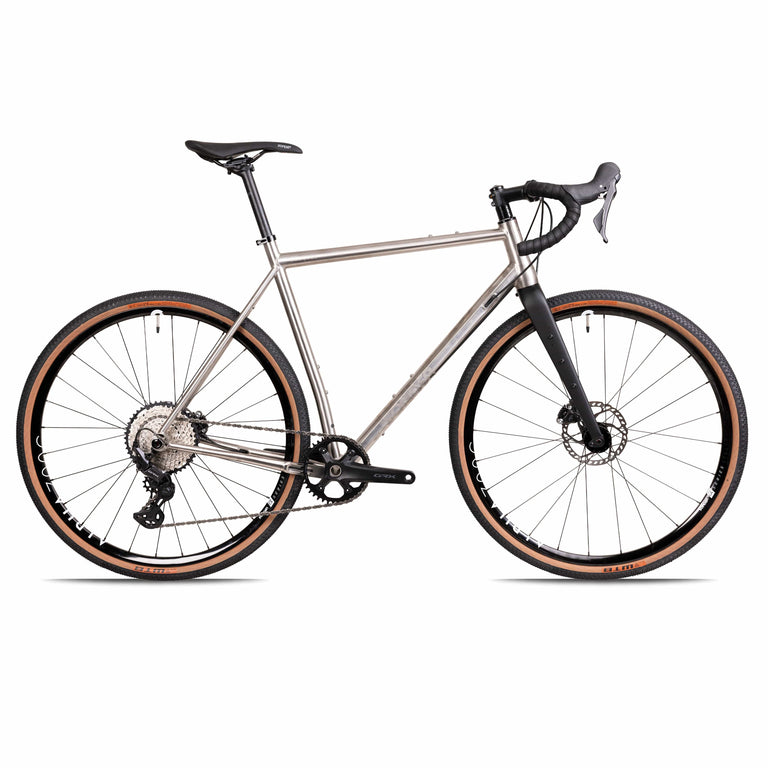
Sonder Sedona
-
Highest Rated
-
Best Seller
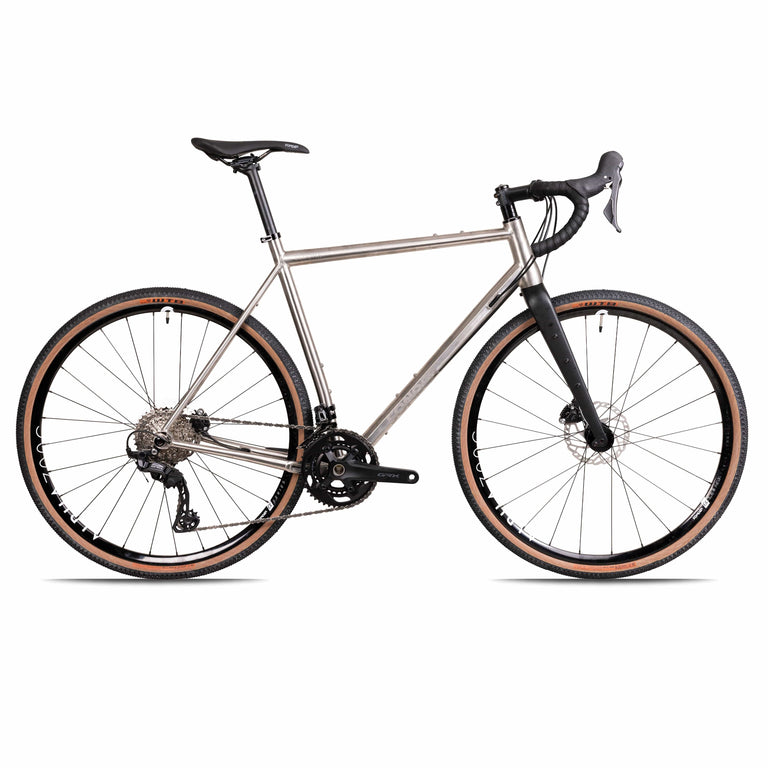
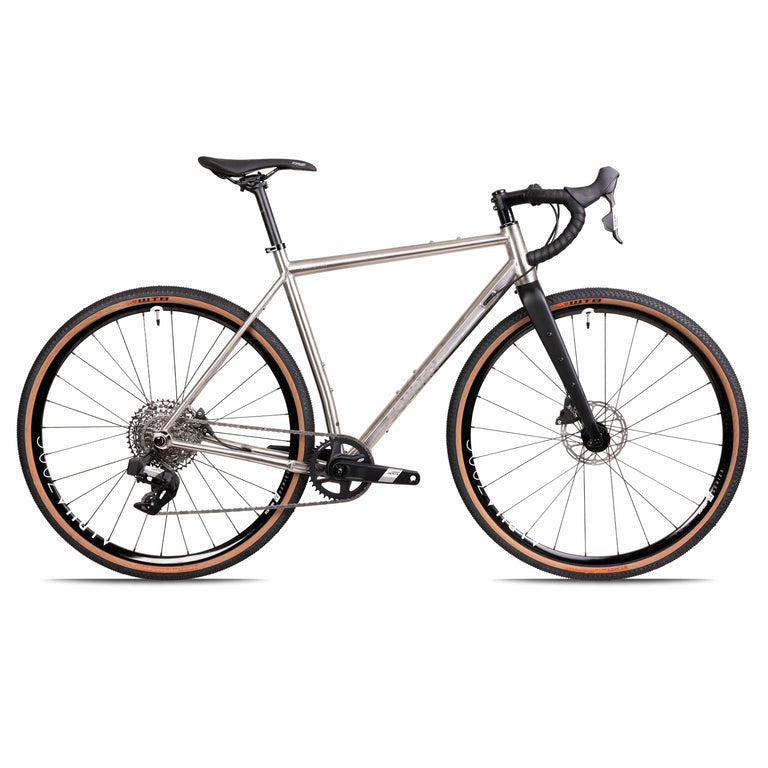
Sedona Apex1 AXS XPLR
- SRAM Apex AXS 12-speed groupset
- Sonder Alpha I25 Gravel UK Made wheelset
$4,549.00
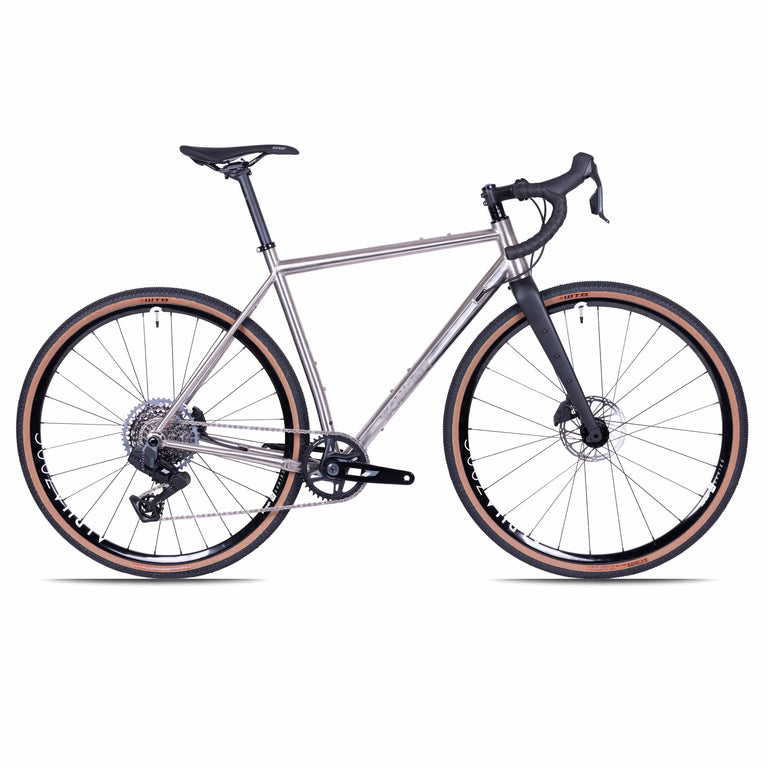
Sedona Rival AXS XPLR
- SRAM Rival XPLR 13-speed groupset
- Sonder Alpha I25 Gravel UK Made wheelset
$5,149.00
-
Top Spec
Sedona Force AXS XPLR
- SRAM Force XPLR 13-speed groupset
- Sonder Alpha I25 Gravel UK Made wheelset
$5,699.00


Sedona Frame And Fork
Responsive and agile on gravel, road or trail; coupled with the compliant ride feel of titanium.
$3,199.00