Choosing a tent for bikepacking and lightweight cycle touring
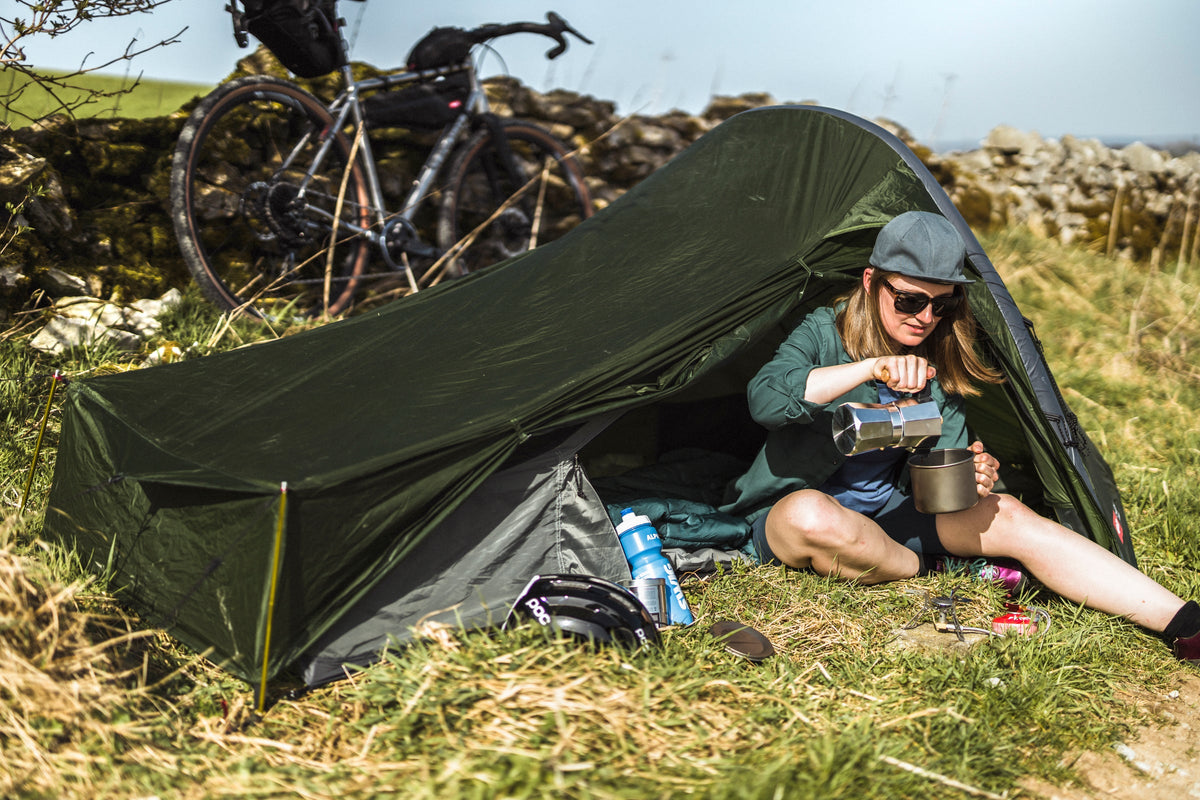



When choosing a tent for bikepacking or cycle touring, find the sweet spot between weight, packability, and comfort. Go lightweight but spacious, with room for you and your gear.
Choosing the best tent for bikepacking or cycle touring means finding the perfect between size, weight, packability, weather resistance and livability. We have a tent for you whatever your needs. General considerations when thinking about which tent is best for your bikepacking and cycle touring adventure include:
More specific considerations are whether you take your full repertoire of camping gear with panniers for ultimate cycle touring comfort? Or do you go minimalist and ultra-lightweight for reckless off-the-beaten-track and off-grid bikepacking?
Are you going for an extended multi-month adventure? Or looking for an inexpensive tent that will last at least a season? Look after your tent and an Alpkit tent will be good for years to come.

New Ultra 900 gram bikepacking tent. The ultimate lightweight freestanding tent giving you liveable space on your solo cycling adventures..
Will you camp at campsites or want the opportunity to camp in the wilds, maybe at altitude, and need all-weather protection to sit out a storm? Our bivvy bags and tarps are great lightweight protection and our 4 season tents weigh more but have excellent wind and storm protection.
Want space inside the tent or in a porch to keep your gear out of harms way? In which case look for tents with a porch and double sided entry.
A modern bike is likely to weigh between 9kg and 13kg. We go for a combined weight of between 5kg and 10kg for all your camping gear. That gives an enjoyable bikepacking experience where the bikes riding performance isn't too affected by the sheer bulk of your camping gear.
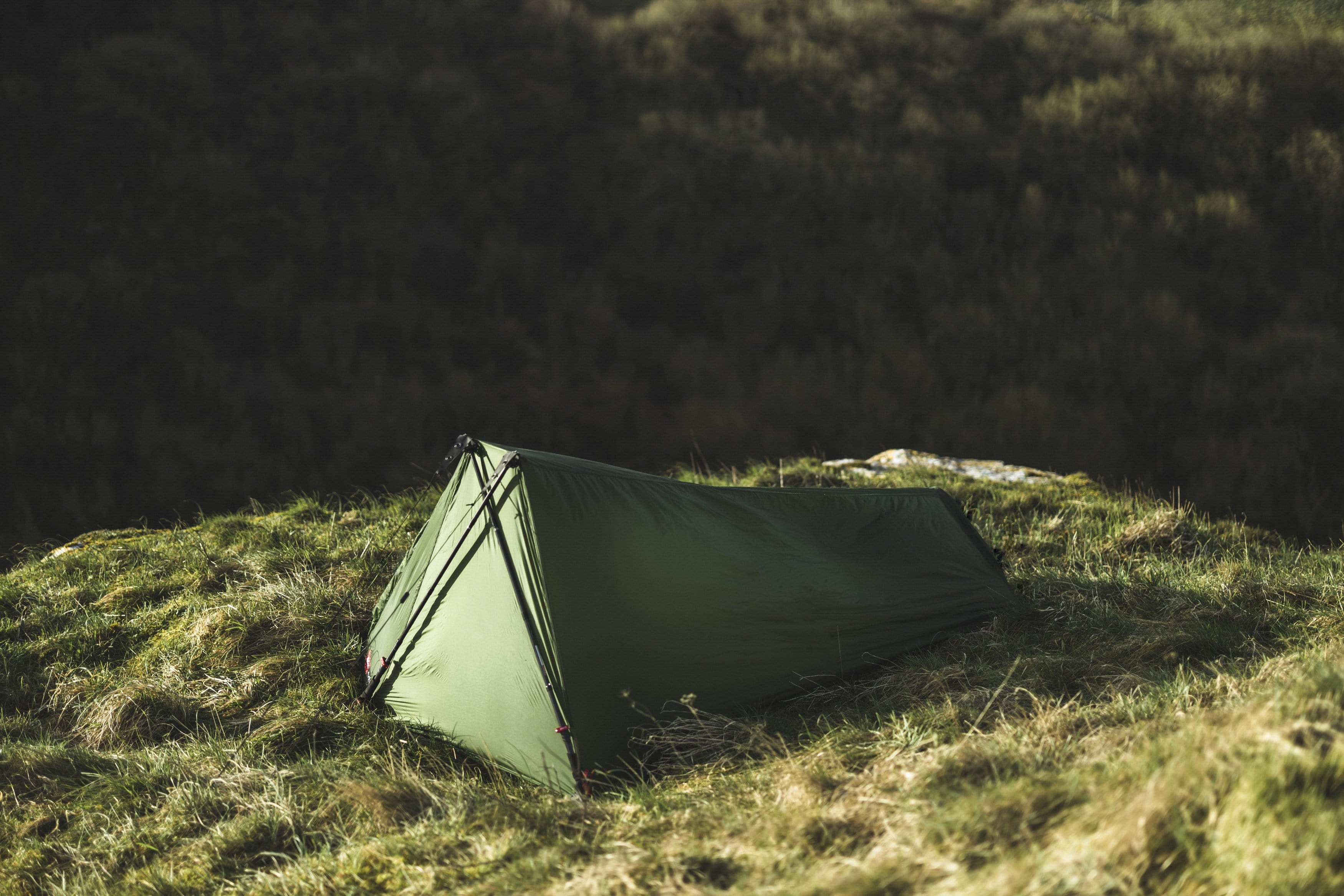
A good tent for bikepacking, backpacking and cycle touring is likely to weigh between 1kg and 2kg. Potentially more if you can split the tent between riders (one takes the poles and pegs whilst another takes the inner and fly).
Deciding exactly what to pack for a bikepacking adventure is all part of the excitement. Optimising your cooking setup and analysing your sleep system to save weight and minimise your pack size.
The big advantage of going lightweight is that it opens up trails and bridleways that are otherwise inaccessible to cycle tourers and you might even carry your bike for limited sections.
The decision on which tent to pack, ultimately comes down to the rider, and the length of the adventure. As bikepacker Julie Elliot notes lighter isn't always best. So let's get started...

Getting away from the roads often means a night in the wild. If that's the case, get prepared for wild camping by thinking about what else you might need. We recommend taking loo roll for a night in nature.
Unpaved and less travelled paths make for slow going in any case. Try keeping your kit to a minimum and, as a general rule, the shorter the bikepacking trip, the lighter your rig can be.
With some practice and fine-tuning, you should be able to get all your kit (including the bike) under 18kg, with experts riding events like the Welsh Ride Thing often coming in at around 15kg.

A hooped bivvy is a lightweight and space saving option for solo cyclist.
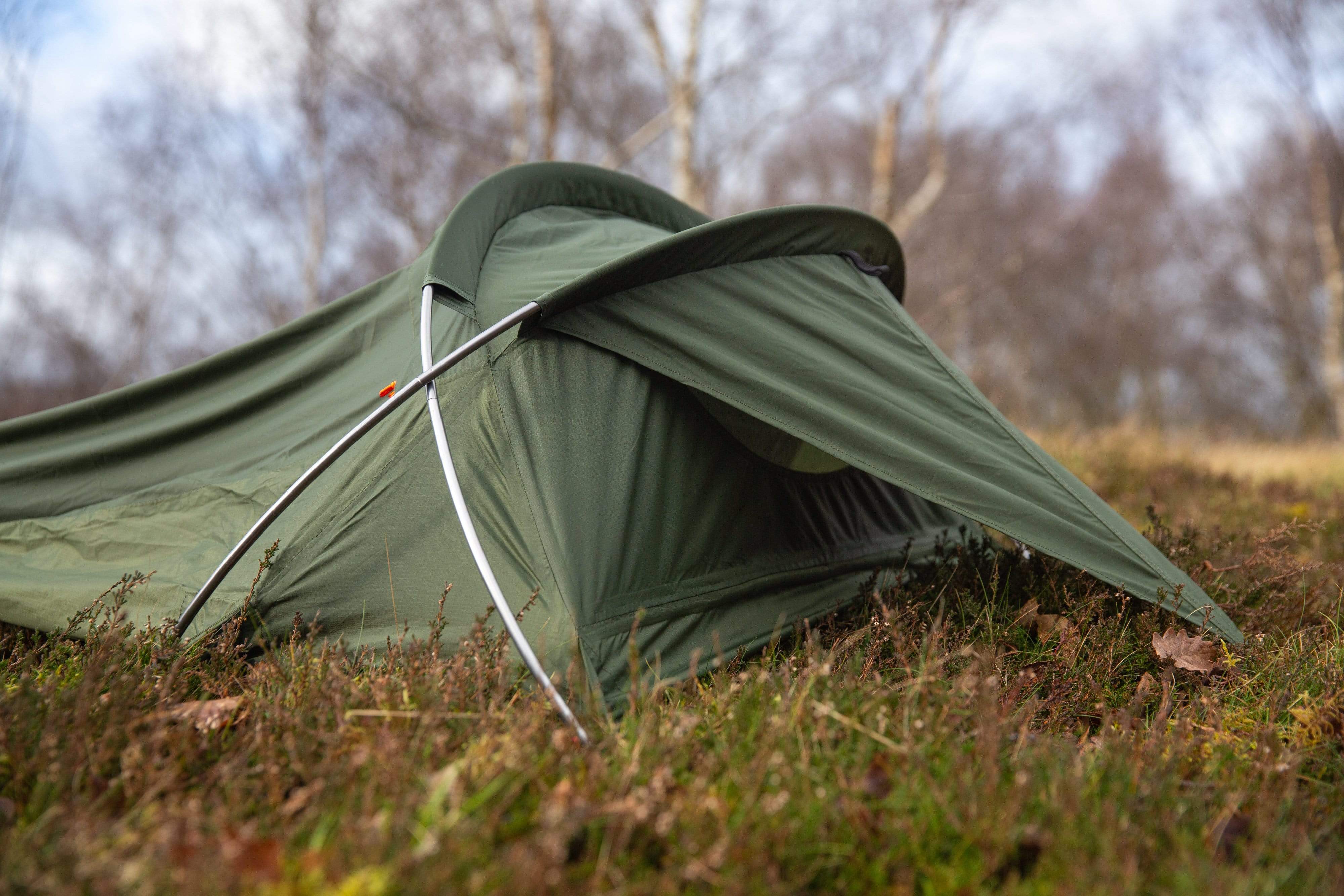
Often a popular choice for the fast and light setup, bivvy bags or hammocks coupled with a tarp offer the greatest weight savings and the lightest shelter at just 565g (not including pegs or para-cord).